
This article is for general educational purposes and is not legal advice. California employment and cannabis rules can change and may apply differently to each operation.
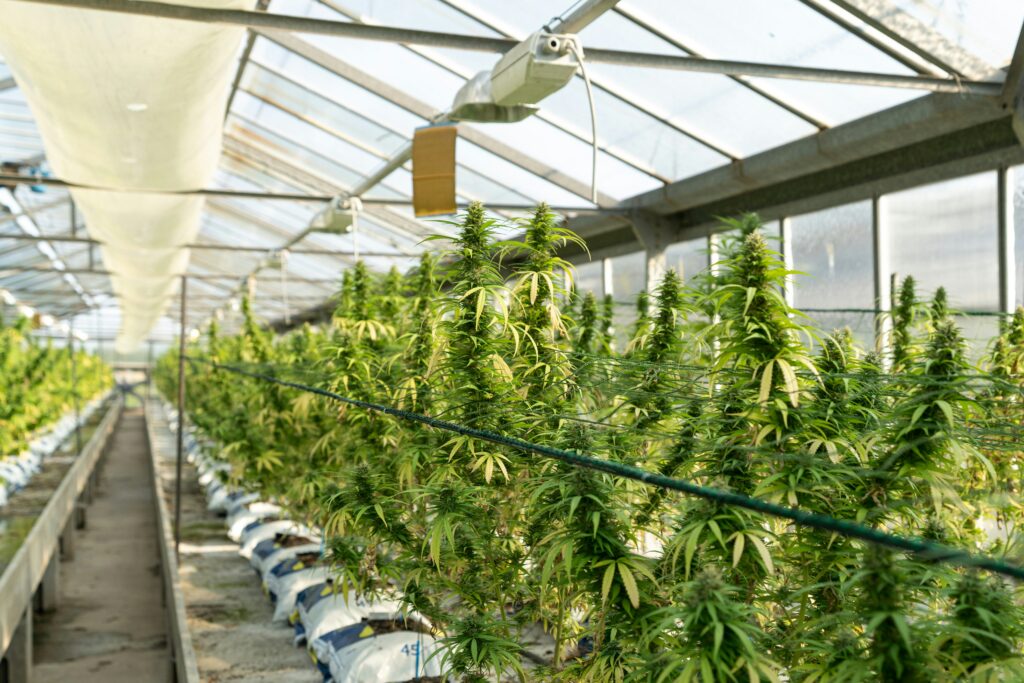
Outdoor Grow HR gets difficult when a cultivation business has to scale labor quickly without letting compliance fall behind. In our work with California cannabis operators since 2016, we have seen the pressure outdoor cultivation creates: harvest windows are unforgiving, and seasonal cannabis workers often arrive just as hours, heat exposure, and production demands increase. Drivon Consulting has represented California cannabis businesses since 2016, including outdoor cultivation operations.
The answer is to build seasonal hiring around wage-and-hour rules, worker classification, heat safety, contractor due diligence, and cannabis-license requirements from the start. That is the same principle behind our regulatory compliance work: the operating plan and compliance plan have to function together.
Why Outdoor Grow HR Is Different From Staffing an Ordinary Farm
From the cultivation businesses we have supported, one of the easiest mistakes is assuming an outdoor cannabis grow follows the same labor framework as every other farm. California makes an important distinction.
The California Department of Industrial Relations says cannabis cultivation employees are subject to IWC Wage Order 4, not agricultural Wage Order 14. At the same time, certain labor contractors supplying cannabis cultivation workers can still be regulated as farm labor contractors.
Cannabis cultivation labor laws therefore need to be reviewed specifically for cannabis, not copied from a general agricultural HR checklist.
Finish Seasonal Cannabis Hiring Before the First Shift
When we help operators think through seasonal cannabis hiring, we want the employment file established before the worker touches a plant, not after harvest is moving.
Seasonal status does not remove normal wage, break, payroll, safety, or anti-discrimination obligations. California also uses the ABC test for many worker-classification questions, so calling someone a “1099 harvest worker” does not make that classification valid by itself.
Before a seasonal worker starts, we recommend confirming:
- Employee or contractor classification
- Rate of pay and payroll setup
- Timekeeping, meal, rest, and overtime procedures
- Required employment notices and policies
- Heat illness and task-specific safety training
- Supervisor responsibilities and reporting channels
- Paid sick leave procedures and any local requirements
This is where broader cannabis employment compliance becomes important. Good onboarding creates the record before a wage claim, inspection, or payroll correction forces the business to reconstruct it later.
Cannabis Cultivation Workers Follow Wage Order 4 Overtime Rules
One of the most important Outdoor Grow HR rules we explain to cultivators is that cannabis cultivation workers do not automatically receive the agricultural overtime treatment a grower may expect.
California DIR states that nonexempt cultivation employees covered by Wage Order 4 are entitled to overtime after eight hours in a workday or 40 hours in a workweek. Double time can apply after 12 hours in a workday, and meal and rest requirements still apply.
That becomes very real during harvest. A crew may start early, stay late to finish a block, or work consecutive days because weather is moving in. The operational reason may make sense, but it does not erase the wage obligation.
We also pay attention to harvest incentives. Nondiscretionary production bonuses can affect the regular rate used to calculate overtime. Your cannabis payroll compliance process should account for that before the bonus is promised.
Using a Harvest Crew? Verify the Labor Contractor
When outdoor cultivators use an outside crew, we treat contractor vetting as a compliance task, not just a staffing decision.
California DIR says a labor contractor providing workers for cannabis cultivation activities must hold a farm labor contractor license when the statutory definition applies. Its guidance treats planting, growing, harvesting, drying, curing, grading, and trimming as cultivation activities for this purpose. This cannabis farm labor contractor issue is easy to miss during a hiring rush.
A third-party crew does not automatically move the labor risk away from the grower. Verify licensing, supervision, wage-payment responsibility, and recordkeeping before work begins.
This is where our general legal counsel and regulatory work often meet.
Cannabis Heat Illness Prevention Belongs in the Harvest Plan
For outdoor cultivators, cannabis heat illness prevention has to be built into the daily work plan. Seasonal workers can be especially vulnerable because they may arrive during the hottest part of the season without time to acclimate.
California’s outdoor heat standard requires potable water, with enough supply to allow at least one quart per employee per hour. Shade must be present when temperatures exceed 80°F. At 95°F or above, high-heat procedures apply, including communication, observation, emergency readiness, water reminders, and pre-shift meetings.
One rule we would not overlook: employees newly assigned to a high-heat area must be closely observed for their first 14 days.
A practical heat file should document:
- Who monitors weather and site temperature
- Where water and shade will be located
- Who can call emergency services
- How responders receive directions to a remote site
- How new workers are observed during acclimatization
- When high-heat procedures are activated
Cal/OSHA also requires a written Heat Illness Prevention Plan in English and in the language understood by the majority of employees.
Seasonal Headcount Can Trigger Cannabis-Specific Obligations
From our regulatory work, we also watch headcount because a seasonal hiring surge can change obligations tied to the cannabis license.
California DCC’s annual license application checklist says businesses with 10 or more employees must address labor peace agreement requirements. Businesses with fewer than 10 must provide a notarized statement that they will enter into and abide by an agreement within 60 days of hiring their 10th employee.
A harvest surge can therefore move an operator across a cannabis-specific regulatory threshold.
DCC also requires applicants with more than one employee to attest that, within one year of licensure, one supervisor and one employee will complete an authorized Cal-OSHA 30-hour general industry outreach course.
Our Pre-Harvest Outdoor Grow HR Checklist
In our experience, the strongest cannabis labor compliance system is one a cultivation manager can actually use when the operation gets busy.
| Risk area | What we would verify |
|---|---|
| Hiring | Classification, onboarding, pay rate, notices |
| Scheduling | Overtime, meal periods, rest coverage |
| Contractors | Farm labor contractor licensing and responsibilities |
| Heat | Water, shade, acclimatization, emergency procedures |
| Payroll | Hours, overtime rate, bonuses, final pay |
| Licensing | Headcount, labor peace agreement status, training |
| Records | Policies, training logs, payroll records |
For operators that need labor costs to stay aligned with financial records, our bookkeeping and accounting services include payroll integration and oversight for cannabis businesses.
Build Seasonal Labor Compliance Into the Operation With Drivon Consulting
At Drivon Consulting, we have represented cannabis businesses since 2016, including cultivators and outdoor operations navigating licensing, compliance, operational planning, and legal issues.
What we have learned is that seasonal labor problems usually begin with small gaps: a crew starts before onboarding is complete, overtime is not flagged, a harvest bonus is added without checking payroll treatment, or headcount crosses a regulatory threshold unnoticed.
Our job is to connect those pieces before they become separate problems.
If your outdoor cultivation operation is preparing for a seasonal hiring ramp, we can help review the HR, labor, safety, payroll, and cannabis-regulatory issues that should be aligned before the first busy week arrives.